HERD
Transformation
Drive
Revolutionizing cattle management with sustainable, tech-driven, and eco-friendly solutions for a greener future.
Revolutionizing Pakistan's Livestock Industry
Pakistan's livestock sector supports over 8 million families with 200+ million animals, representing $14.5 billion in export potential. Despite this enormous potential, average milk yield remains just 6 liters per day due to low genetic potential and outdated breeding practices. GCLI's groundbreaking Herd Transformation Drive introduces Pakistan's first-ever Sexed Semen Laboratory —a state-of-the-art facility in Okara, developed in partnership with ST Genetics (USA). This pioneering 5-year initiative leverages advanced reproductive technology to enhance productivity, genetics, and sustainability, positioning Pakistan toward a globally competitive livestock sector through scientific breeding and genetic enhancement.
Transform Pakistan's low-yield herd through a collaborative approach involving all stakeholders
Utilize conventional, gender-sorted semen and embryos from high-yield animals to enhance productivity
Strategy Framework
Comprehensive approach to genetic advancement and herd improvement
Strategic Focus
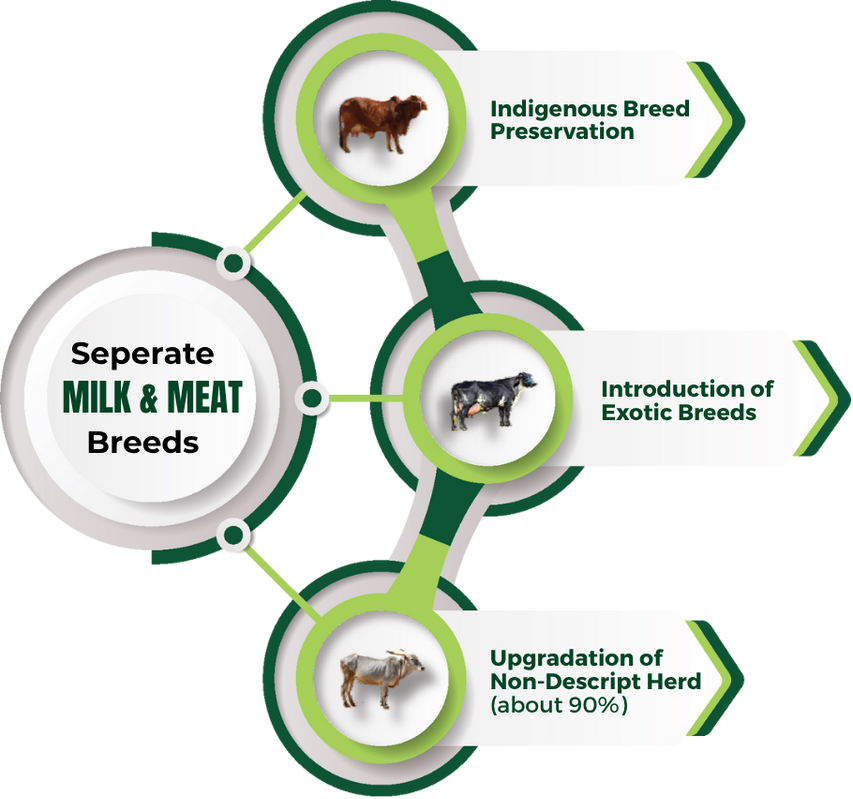
Maintain superior high-yield dairy and meat breeds for unlimited profitability
Herd Improvement
through genetically improved breed proliferation
Indigenous Breed Development
of high producing cattle breeds (Dairy & Meat)
Means of Proliferation
Combination of In-Vitro Fertilization with Sexed Semen and Genomic Selection
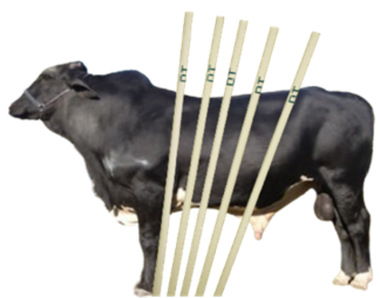
Conventional / Sexed Semen Straws
Traditional and gender-selected breeding solutions
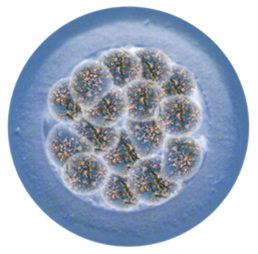
In Vitro Fertilization (Embryos)
Advanced embryo transfer technology
Artificial Insemination & Embryo Transfer
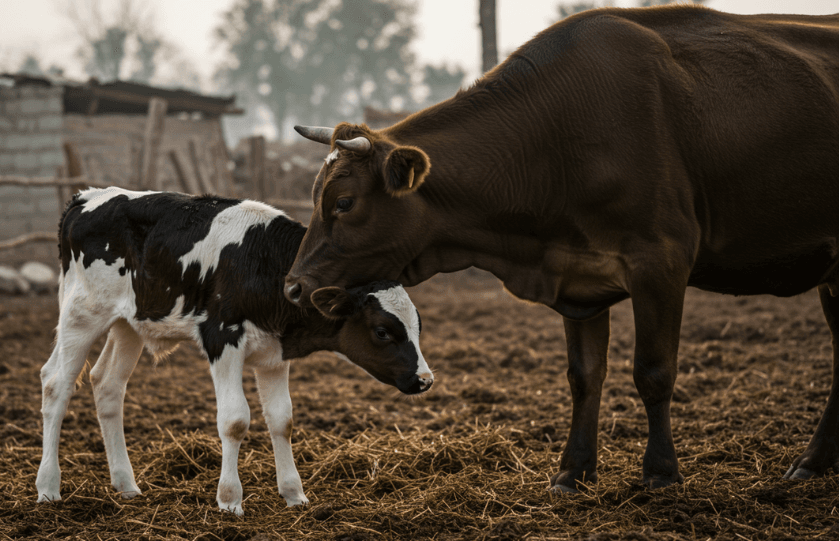
Producing SUPERIOR GENETIC CALVES Through Sexed Semen & In Vitro Fertilization
Genetically Improved Calves
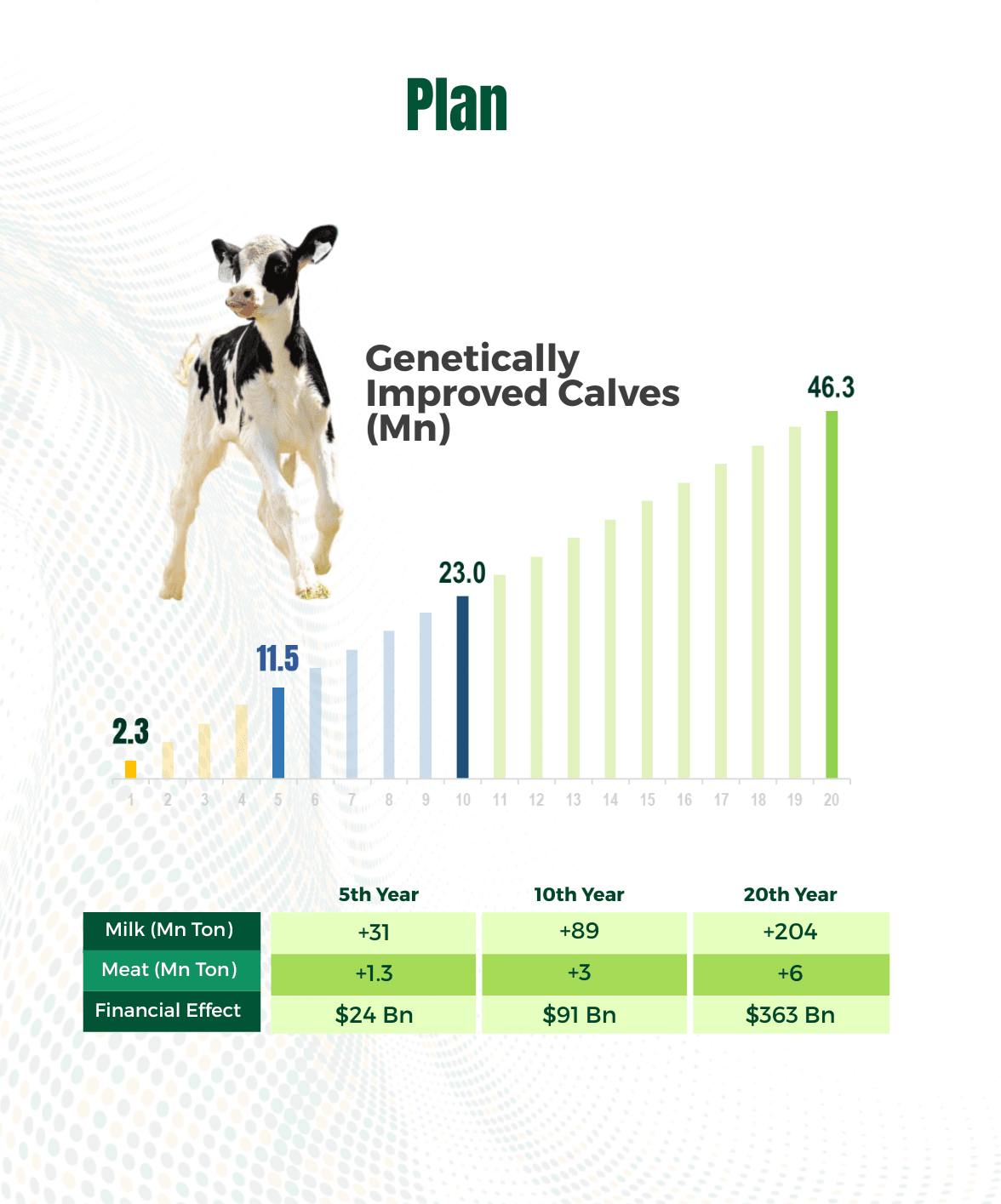
HERD Transformation Strategy Plan
Sexed Semen Technology
Revitalizing Herd Potential Through Modern Technology
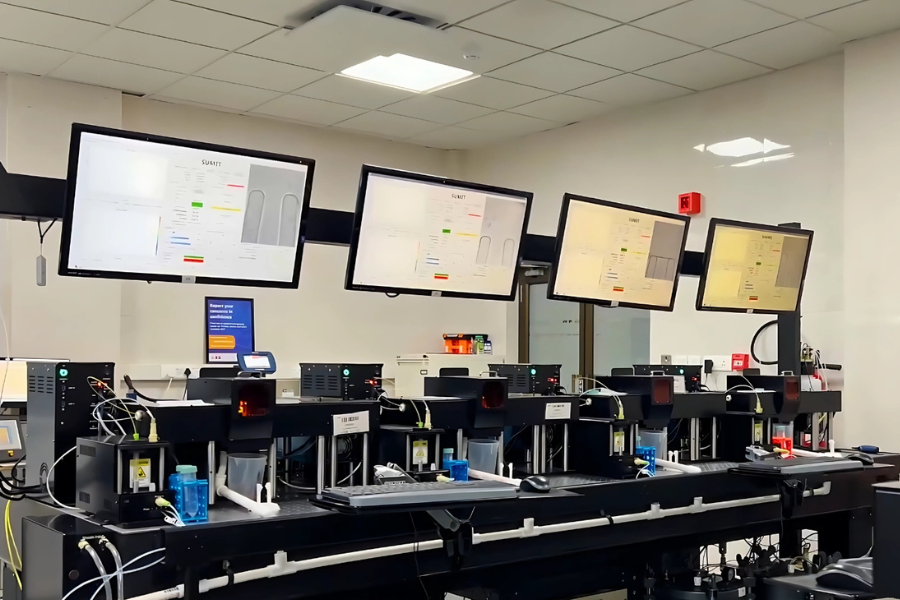
Sexed semen technology is a groundbreaking reproductive innovation that enables farmers to choose the sex of their offspring before insemination, typically favoring female calves for dairy production and male calves for beef farming.
Key Outcomes
For Dairy Farmers
Optimized milk production and enhanced overall efficiency
For Beef Farmers
Higher-quality beef output and increased profitability
Genetic Improvement & Breed Enhancement
Selective Breeding Programs
Rapid Genetic Progress
Increased Productivity
High Success Rate of Gender Selection
Sustainability and Efficiency
Resource Optimization
Reduced Disease Prevalence
Economic Benefits
Higher Yield and Profitability
Empowering Farmers Access to Superior Genetics
Revolutionary technology that transforms livestock breeding, enabling farmers to achieve unprecedented levels of productivity and genetic excellence.
In-Vitro Fertilization (IVF)
Boost Pregnancies With Elite Embryos
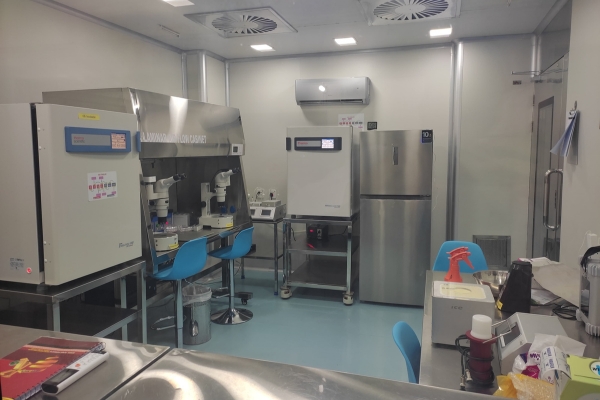
GCLI has established an advanced In Vitro Fertilization (IVF) lab at Okara, to impact national herd transformation drive by accelerating genetic improvement, increasing productivity and enhancing the overall quality of livestock.
Key Benefits
High-yielding and disease-resistant breeds
Faster herd growth by producing more calves in less time
Cross-breeding for desired traits
Improved resource efficiency
Proliferation Models
Multiple pathways to genetic excellence
Sale of Embryos
Sale of Confirmed Pregnant Cows
Transfer of Embryos In-House
Transfer of Embryos through Out-Reach Program
Superior Genetic Animals
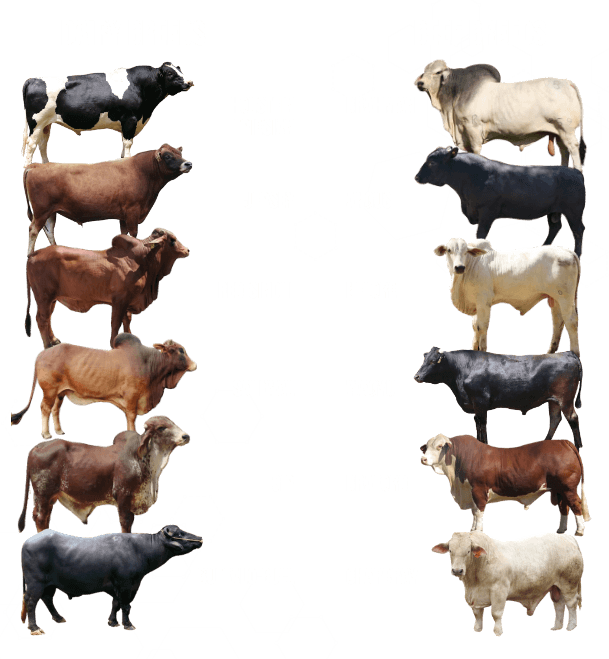
Proliferation of Exotic Breeds
The combination of Superior Genetic Cattle, IVF and Sexed Semen technology is transformative for Pakistan's national herd. Superior bulls bring the highest-quality genetics, IVF amplifies the speed and scale of genetic improvement and sexed semen ensures that the desired traits are passed on with precision. Together, they enhance productivity, sustainability and economic prosperity, while empowering farmers to contribute to the long-term transformation of the Livestock Sector.
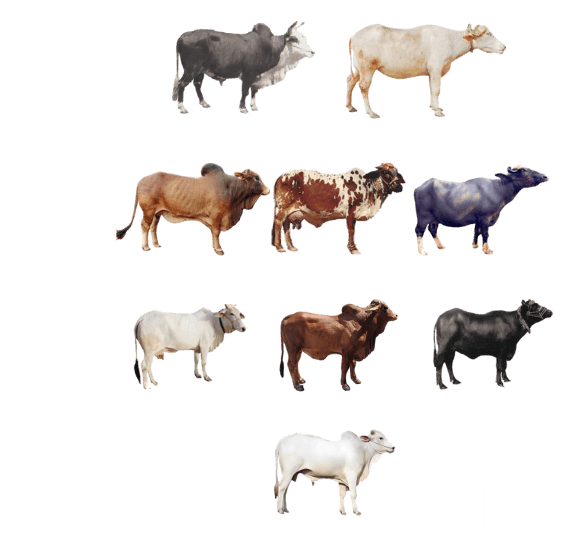
Preservation of Indigenous Breeds
Preservation of indigenous livestock breeds is vital to ensure genetic diversity, climate resilience and long-term sustainability. Indigenous breeds of Pakistan cattle and buffalo are uniquely adapted to local conditions, with traits like heat tolerance, disease resistance and efficient feed conversion, making them strategic assets for Pakistan’s livestock future. However, due to unregulated crossbreeding and neglect, many of these breeds face risk of genetic dilution or extinction. Preserving and promoting these breeds not only safeguards national biodiversity but also strengthens the foundation for a resilient, productive and self-reliant livestock sector.
GENETIC DIVERSITY | CLIMATE RESILLIENCE | SUSTAINIBILITY
Herd Transformation Drive is redefining Pakistan's livestock sector by improving the genetic potential of the national herd. Through a collaborative approach and leveraging modern reproductive technologies like Sexed Semen and IVF, the initiative aims to boost milk and meat productivity, while ensuring food security, creating export surpluses, thereby uplift rural livelihoods.