Disease
Control
Drive
Revolutionizing cattle management with sustainable, tech-driven, and eco-friendly solutions for a greener future.
Challenges in Pakistan’s Livestock Sector
The livestock sector is a critical pillar of Pakistan’s agricultural economy, providing food security, livelihoods, and export opportunities. However, the sector faces a serious challenge — the widespread prevalence of diseases among cattle and buffalo, such as Foot-and-Mouth Disease (FMD), Bovine Tuberculosis, and other infectious illnesses that continue to plague farmers. These diseases reduce productivity, increase mortality rates, and cause major financial losses, particularly for smallholders who depend on livestock for their income. Adding to the problem is a massive shortfall in vaccine production. While Pakistan requires around 400 million doses annually to protect its livestock from common diseases, local production meets only 40 million, leaving a deficit of 360 million doses. This lack of vaccines hampers disease control efforts, leaving herds vulnerable and undermining the sector’s growth potential.
GCLI Disease Control Drive
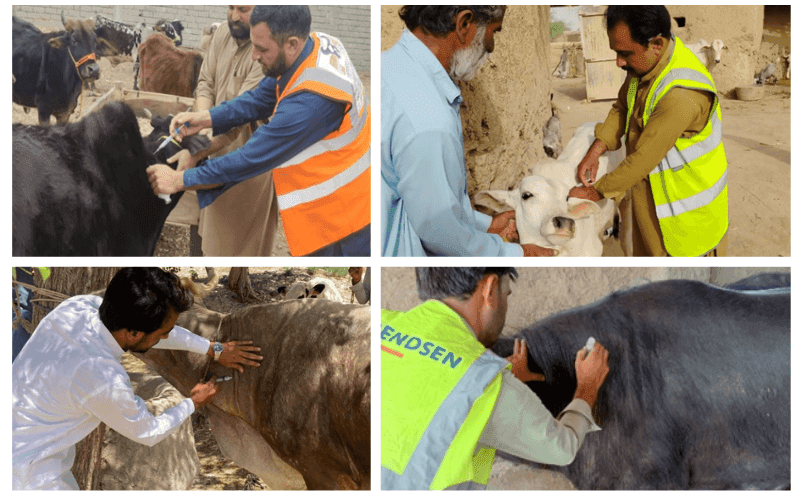
To tackle this crisis, the Green Corporate Livestock Initiative (GCLI) has launched a comprehensive Disease Control Drive in collaboration with the Government of Pakistan, veterinary experts, private investors, and international partners. A key element of this initiative is the establishment of a vaccine production facility developed jointly by a private investor and the Government of Punjab, with support from the University of Veterinary and Animal Sciences and the Veterinary Research Institute. This facility will produce international-standard vaccines locally, reducing dependence on imports, making vaccines more affordable, and ensuring timely access for farmers. The project aims to cover the 158 million dose shortfall in its first phase, marking a major step toward national self-sufficiency in animal health. The drive will help reduce disease outbreaks, lower livestock mortality, and increase productivity, ultimately improving the sustainability of Pakistan’s livestock industry. Healthier herds mean higher milk yields, better meat quality, and more stable incomes for farmers. Small-scale and rural livestock keepers — often the most vulnerable — will especially benefit through better access to vaccines, veterinary care, and disease management knowledge. In the long run, GCLI’s efforts will not only strengthen rural livelihoods but also enhance Pakistan’s ability to meet domestic food demands and expand its export potential, contributing significantly to the national economy.
Disease Control
FMD Vaccine
Required
400 Mn Doses
Local Production
40 Mn Doses
Shortfall
360 Mn Doses
Plan
Phase I (2 Years)
Infrastructure upgradation / development
Annual Production of
50 Mn Doses (purified vaccine)
Cost Effect:
Rs 6 Bn
(Private Investment)
Phase II (3 Years)
Infrastructure development
Alternate vaccine production methods (Recombinant Protein-Based vaccines)
Annual Production enhanced to
400 Mn Doses
Cost Effect:
Rs 12 Bn
MoU with TECON & TECHNOMEN (China)
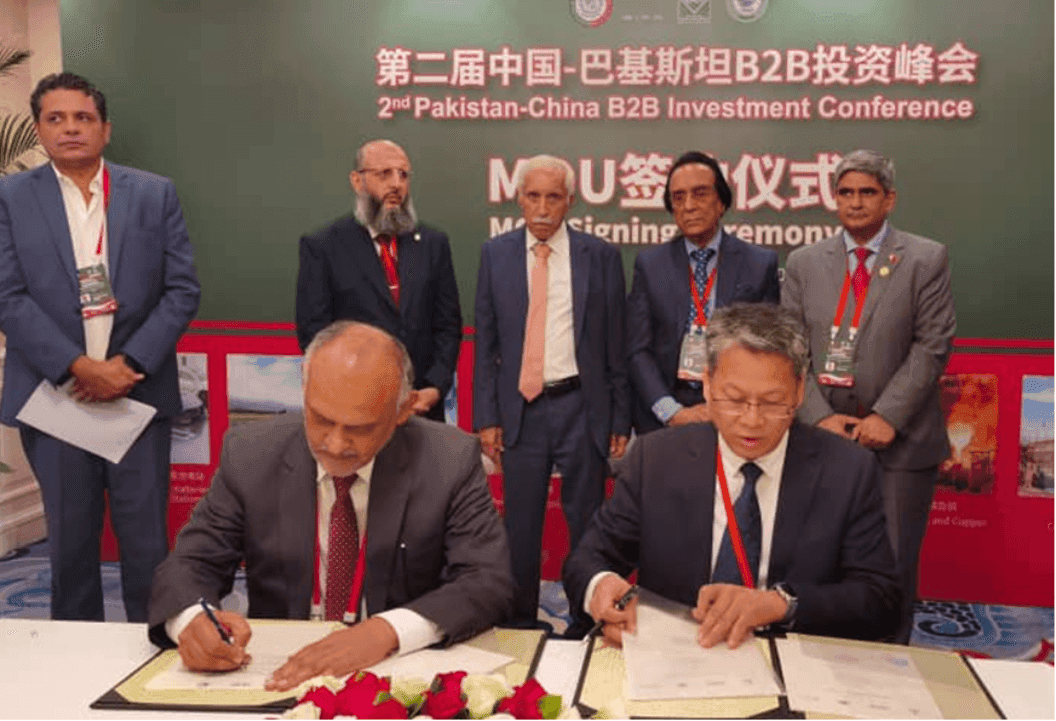
GCLI has signed a Memorandum of Understanding with TECON and TECHNOMEN, leading Chinese biotechnology firms, for establishment of Vaccine Prod Unit - Karachi. This strategic partnership will bring advanced vaccine manufacturing technology and expertise to Pakistan, enabling large-scale production of high-quality veterinary vaccines. The facility will help address the country's vaccine shortage, reduce import dependency, and strengthen Pakistan's livestock disease control capabilities through technology transfer and local capacity building.
Vaccine Production Unit
FMD Vaccine Production Unit in Lahore and Pattoki being leased out for local production of vaccine. This strategic initiative includes infrastructure upgradation and development to support large-scale manufacturing. The facilities will produce high-quality purified vaccines meeting international standards, with an initial target of 50 million doses annually. This public-private partnership model ensures sustainable vaccine supply while attracting private investment in Pakistan's veterinary pharmaceutical sector.